

What Is Brand Identity Design and What Does It Include?

Brand identity design in Jacksonville FL is the visual and verbal system that makes your business recognizable — and it goes far beyond a logo. It's everything a customer sees, hears, or reads that signals "this is that company." When it's done well, it works automatically: a color, a typeface, a tone of voice, even a layout pattern creates instant recognition before anyone reads a word.
When brand identity design is done poorly — or assembled piece by piece over time without a coherent framework — it erodes trust, even when the business behind it is excellent. Jacksonville is a competitive market across almost every category, and a fragmented visual identity is one of the most common and most preventable reasons a business loses ground to a competitor with a comparable product.
What a Complete Brand Identity System Includes
Most business owners think brand identity stops at the logo. A complete visual identity system goes much further.
Logo System
A professional logo system isn't a single file. It typically includes:
- Primary logo — the full version used in most contexts
- Secondary or alternate marks — horizontal, stacked, or simplified versions for different layout contexts
- Icon or monogram — a simplified standalone brand mark that works at small sizes, in app icons, or as a profile image
- Clear space and sizing rules — specifications for minimum size and the required space around the mark
A single logo file that gets stretched, recolored, or placed on incompatible backgrounds at will is not a logo system. That's how brand identity erodes. A well-built logo system anticipates every context your brand will appear in — from a business card to a building sign to a vehicle wrap — and gives vendors the exact guidance they need to use the mark correctly every time.
Color Palette
A brand color palette specifies exact color values — Pantone, CMYK, RGB, and hex — for primary, secondary, and accent colors. It also includes guidance on proportional use: which colors dominate, which are accent only, which combinations work and which don't.
A common mistake is selecting colors without checking how they perform across all real-world applications: on dark backgrounds, on photos, in one-color print, in embroidery on branded merchandise. A color that looks strong on a website can disappear entirely on a vinyl banner in direct sunlight. A complete color specification in your brand standards prevents these failures before they happen.
Typography System
Typography is one of the most powerful and most overlooked elements of a visual identity system. Your brand's typefaces — the specific fonts used for headlines, body text, and supporting elements — create a distinctive visual rhythm that becomes recognizable over time.
A typography system specifies the font families, weights, and size relationships used across all communications, so that materials produced by different vendors at different times still feel consistent. A Jacksonville law firm with a strong typographic identity reads as authoritative and established. A healthcare practice whose materials use three mismatched fonts from three different designers reads as disorganized, regardless of the quality of care they provide.
Photography and Imagery Style
Many brand identity guides define the visual style of photography, illustration, or iconography the brand uses. This includes subject matter, color treatment, composition style, and what to avoid. This guidance ensures that stock photography choices and original photography productions align with the brand's visual character.
For Jacksonville businesses with a strong visual presence on Instagram or a photography-heavy website, this section of the brand guidelines pays dividends immediately. It means every image you publish reinforces the same visual identity instead of pulling in a different direction.
Brand Voice Summary
Some identity systems include a condensed version of the brand voice — the tone, personality, and communication style — alongside the visual elements. This is particularly valuable for teams or agencies producing content who need both visual and verbal guidance in one document. A wordmark and a color palette tell you how the brand looks; a voice summary tells you how it talks.
What Does Brand Identity Design Cost in Jacksonville FL?
Cost ranges widely based on scope. A logo-only project from a mid-range freelancer might fall in the $1,500–$3,500 range. A complete brand identity system — logo system, color palette, typography, photography style, and a full brand style guide — from an established studio typically runs $5,000–$15,000 for a Jacksonville small or mid-size business.
The right question isn't "how do I spend the least?" It's "what does this business need to look credible and consistent across every touchpoint for the next five years?" Answering that honestly usually points toward a complete system, not a logo file.
Why It Matters for Jacksonville Businesses
Jacksonville spans 874 square miles, making it one of the largest cities by land area in the contiguous United States. That size means your business competes not just locally but across a genuinely large, diverse market — Duval County, the Southside business corridor, the Beaches communities, and surrounding First Coast counties.
Brand identity is often the deciding factor in whether a prospect trusts you enough to make contact. Consider the specific challenge in walkable commercial areas like Five Points in Riverside or the King Street corridor in Avondale. Foot traffic and visual presence matter. A business whose signage, window graphics, and exterior communicate a coherent visual identity performs better in those environments than one whose brand looks like it was assembled without a plan.
Digital presence matters equally. Jacksonville consumers research local businesses on Google, Instagram, and Nextdoor before making contact. An Instagram feed with wildly inconsistent visual treatment, a website that doesn't match the business card, and a Google Business Profile with a pixelated logo create friction at exactly the moment a prospect is deciding whether to reach out. A complete brand identity system eliminates that friction.
Brand Identity vs. Brand Style Guide
A brand identity is the visual and verbal system itself — the logo, colors, typefaces, imagery direction, and voice. A brand style guide (also called brand guidelines, a brand book, or brand standards) is the documentation of how to use that system correctly.
You need both. An identity without guidelines is a set of assets that gradually gets misused as different vendors, employees, and agencies interpret the brand their own way. Guidelines without a strong underlying identity are rules that don't add up to anything. The combination is what makes a brand system durable.
How Long Does Brand Identity Design Take?
A complete brand identity engagement — from discovery through final deliverables — typically takes six to ten weeks depending on scope and revision cycles. The process includes strategy intake (to ensure the visual direction reflects the brand's positioning), design exploration, refinement, and final file delivery with guidelines.
Faster processes exist but involve tradeoffs: less exploration means less confidence that the final direction is the right one. Identity work done too quickly often gets redone. If a designer quotes you a one-week turnaround on a complete brand identity system, that's not a fast process — it's an incomplete one.
Deliverables to Expect from a Brand Identity Engagement
At the end of a professional brand identity project, you should receive:
- All logo files in vector (SVG, EPS, AI) and raster (PNG, JPG) formats
- Files optimized for print, digital, and transparent-background applications
- Color palette with all specification formats (Pantone, CMYK, RGB, hex)
- Typography files or licensed font links with usage guidance
- A brand style guide in PDF and/or a digital format your team can access
- Application examples showing the identity in real-world use
If an agency or designer can't tell you specifically what files you'll receive before the project starts, that's a red flag. A professional brand identity deliverable is predictable and documented — not a surprise at the end.
Frequently Asked Questions
Q: What's the difference between a logo and a brand identity?
A logo is a single mark — one element of a brand identity system. A complete brand identity includes the logo system, color palette, typography, imagery direction, and brand guidelines. The logo is how the brand looks in one application; the identity system is how it looks consistently across all applications.
Q: How long does brand identity design take in Jacksonville?
Most complete brand identity engagements take six to ten weeks from kickoff to final delivery. The timeline depends on the scope of deliverables, the number of revision rounds, and how quickly the client can provide feedback. Projects with faster timelines typically involve less strategic exploration and carry more risk of needing to be revised sooner.
Q: Do I need a brand style guide for a small business?
Yes — even a concise one. Without documented brand standards, every new vendor, employee, or agency who touches your materials will interpret the brand differently. Over time, that inconsistency compounds. A simple one-page brand reference that specifies your logo versions, exact color codes, and typefaces is better than nothing and dramatically better than relying on everyone to "figure it out."
Q: What files should I receive after a brand identity project?
Vector source files (AI, EPS, or SVG) for every logo variation, high-resolution PNG files with transparent backgrounds, color specifications in Pantone, CMYK, RGB, and hex, font files or licensed font links, and a brand guidelines document. If the deliverable package doesn't include vector files, the project is incomplete.
Q: Can I update my brand identity without starting over?
Yes. Many brand identity projects are refinements or evolutions rather than complete redesigns. A logo refresh can update the mark for modern applications while retaining the recognition equity you've built. A brand guidelines update can standardize how an existing identity is applied without changing the underlying visual elements.
Related reading: How Much Does Brand Identity Design Cost in Jacksonville?, Logo Design in Jacksonville FL: What to Expect, Brand Identity vs. Logo Design: What's the Difference?
Pink Studio Central designs brand identity systems for Jacksonville businesses that are built to work across every touchpoint from day one. If you're starting a new venture or know your current visual identity isn't serving you, we'd be glad to show you what a complete system looks like.


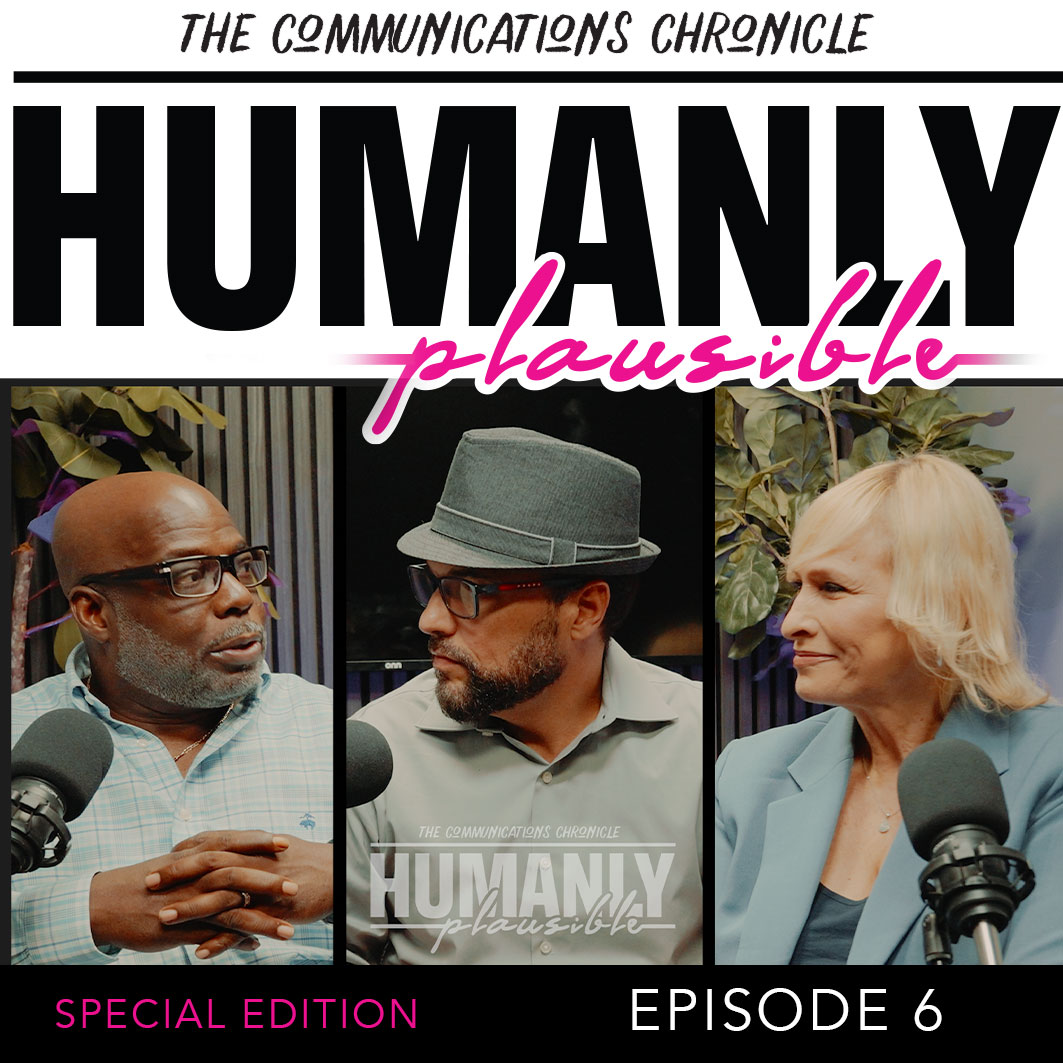
Joining Roly and Richard is Jordana Foster, CEO of Ready, Set, Go Beyond, business and executive coach, leadership and communication trainer, and returning guest. Together, they discuss why leadership is a mindset, how honest conversations can help teams navigate uncertainty, and why creating space for people to speak openly must go hand in hand with taking action.

AI should strengthen your brand’s voice—not slowly erase it.A brand rarely disappears all at once.It happens one decision at a time.A distinctive headline is replaced with something safer. An original design is exchanged for something more familiar. A point of view is softened until it becomes universally acceptable—and completely forgettable.
Just one more step to make your perfect choice. Click either button below to get started.